
January 8, 2024
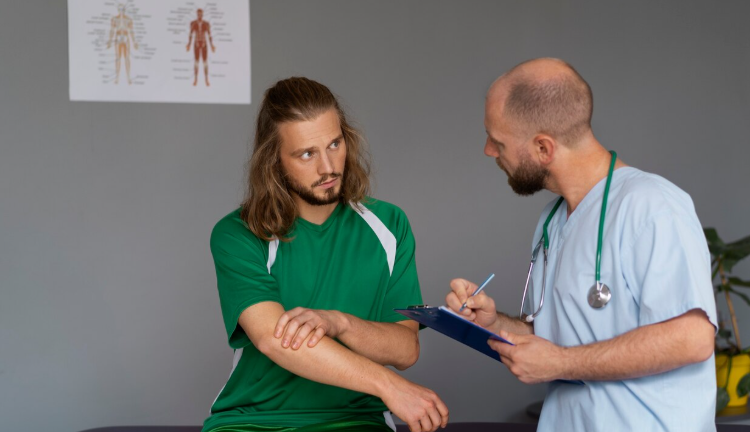
Whether it's football, soccer, basketball, track, volleyball, swimming, or cheerleading, student athletes place significant demands on their bodies. Between practices, games, competitions, and school responsibilities, young athletes are constantly pushing themselves to perform at their best.
While training and skill development often receive most of the attention, one important factor is sometimes overlooked: health screenings.
Many parents and students view sports physicals as just another form that needs to be completed before the season begins. In reality, these evaluations are much more than paperwork. School and sports physicals help identify potential health concerns, reduce injury risks, and ensure student athletes are physically prepared to participate safely.
For families throughout Jacksonville, Southside, Arlington, Atlantic Beach, and the Beach Blvd area, regular sports physicals are an important part of keeping young athletes healthy throughout the school year.
Sports participation offers numerous benefits, including improved fitness, teamwork, confidence, and discipline. However, athletic activity also places additional stress on the body.
A sports physical helps healthcare providers evaluate whether an athlete is healthy enough to participate while identifying conditions that may require additional attention.
Many medical concerns do not show obvious symptoms during everyday activities. Problems may only become noticeable when the body is placed under physical stress.
This is why school and sports physicals play an important role in preventive healthcare.
Patients searching for primary care doctors near me are often surprised by how much information a comprehensive sports physical can reveal about a student's overall health.
One of the most important parts of a sports physical begins before the physical examination itself.
Healthcare providers review:
This information helps identify potential risk factors that could affect athletic participation.
For example, a family history of heart disease or sudden cardiac events may indicate the need for additional evaluation before participation in competitive sports.
Heart-related concerns are among the most serious issues healthcare providers evaluate during sports physicals.
Although rare, certain heart conditions can increase the risk of complications during intense physical activity.
During a physical exam, providers may assess:
Early detection can help ensure athletes receive appropriate care before participating in sports.
Blood pressure is another important part of routine sports screenings.
While many people associate high blood pressure with adults, it can affect adolescents as well.
Monitoring blood pressure helps healthcare providers identify concerns early and support long-term cardiovascular health.
Routine screenings through Jacksonville primary care services often help detect issues before symptoms become noticeable.
Good vision plays a critical role in athletic performance and safety.
Whether an athlete is tracking a ball, navigating a field, or reacting quickly during competition, visual ability directly impacts performance.
Sports physicals often include vision assessments to identify concerns that may affect participation or increase injury risk.
Previous injuries can significantly influence future athletic performance.
Healthcare providers often discuss:
Athletes returning from injuries may require additional evaluation to ensure they are fully recovered before returning to competition.
Addressing concerns early can help prevent re-injury and support long-term athletic development.
Exercise places additional demands on the respiratory system.
For athletes with asthma or other breathing conditions, proper management is essential.
Sports physicals provide an opportunity to review:
Early management helps student athletes stay active while reducing the risk of complications during practices and competitions.
Concussions have become an increasingly important topic in youth sports.
Athletes with a history of concussion may require additional evaluation before returning to play.
During sports physicals, healthcare providers often discuss:
Understanding an athlete's concussion history helps create safer participation plans and supports long-term neurological health.
Hydration is one of the most overlooked aspects of sports performance.
Even mild dehydration can affect:
Student athletes often underestimate how much fluid they lose during practices and competitions, especially during Florida's warmer months.
Maintaining proper hydration supports both performance and overall health.
In some cases, wellness-focused services such as Jacksonville IV therapy may be discussed for older athletes or individuals requiring physician-guided hydration support, although daily hydration habits remain the foundation of athletic wellness.
Performance begins long before game day.
Proper nutrition provides the fuel student athletes need to train, recover, and perform.
During physical exams, healthcare providers may discuss:
Many athletes experiencing fatigue, poor recovery, or decreased performance may actually be dealing with nutritional deficiencies or inadequate calorie intake.
Persistent fatigue should never be ignored.
Low energy levels may sometimes be connected to:
Routine evaluations through primary care Jacksonville FL services can help identify issues affecting athletic performance and overall wellness.
Detecting these concerns early allows athletes to receive appropriate support before symptoms worsen.
One of the biggest misconceptions about sports physicals is that they exist only to meet school requirements.
In reality, they are an important preventive healthcare tool.
A physical exam may identify:
These evaluations help athletes stay healthy both on and off the field.
At All In One Healthcare (AIOH) on Beach Blvd, school and sports physicals are designed to support the whole athlete.
Under the guidance of Dr. Mohammed Touheed, MD, student athletes receive physician-supervised evaluations focused on safety, wellness, and performance readiness.
AIOH combines:
This integrated approach helps student athletes stay healthy throughout the season while giving parents confidence that potential concerns are being properly addressed.
Whether you're located near Beach Blvd, Southside, Arlington, Atlantic Beach, or elsewhere in Jacksonville, AIOH provides comprehensive care designed to support young athletes and their long-term health.
Sports physicals are about much more than checking a box on a school form.
They provide valuable insight into an athlete's health and help identify concerns before they affect performance or safety.
At All In One Healthcare, physician-supervised school and sports physicals help student athletes stay healthy, prepared, and ready to compete.
Book your school or sports physical at AIOH before the season begins and give your student athlete the best possible start.
Most schools and athletic organizations require a sports physical annually before participation.
Bring any required school forms, a list of medications, medical history information, and details about previous injuries.
Yes. Sports physicals focus specifically on evaluating an athlete's ability to participate safely in sports activities.
Athletes with asthma can often participate safely when their condition is properly managed and monitored.
Families can schedule physician-supervised school and sports physicals at All In One Healthcare on Beach Blvd.